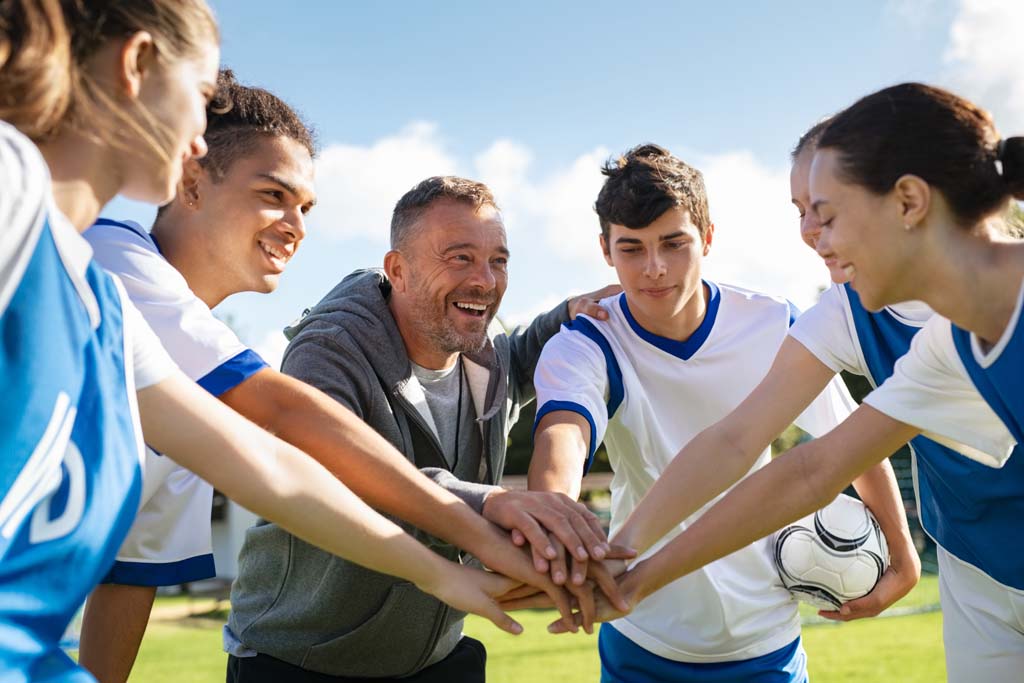
Just as physical training is vital for athletic performance, so is mental training. There are various psychological techniques that athletes can employ to enhance their performance. They not only boost the athlete’s ability but also help in developing a strong mindset, which is critical in the world of competitive sports. Here we delve into six such techniques.
Exploring Performance Psychology in McLean, VA
Learn about MindBalance Sport here: mind and balance.
Goal setting acts as a roadmap to success for an athlete. The goals should be specific, measurable, achievable, relevant and time-bound (SMART). They provide direction and offer a means of tracking progress while offering motivation.
- Short-term goals: These are stepping stones towards long-term goals. They can be daily or weekly targets.
- Long-term goals: These are ultimate targets an athlete strives to achieve over months or years.
Sport Performance Training in McLean, VA
Visualization or mental imagery involves creating a mental image of what you want to happen or feel in reality. It helps in preparing for specific scenarios that might occur during competition and aids in developing strategies to tackle them.
- Process visualization: Involves visualizing the process involved in performing a task successfully.
- Outcome visualization: Involves visualizing achieving the desired outcome or goal.
Meet Our Top Sports Mental Coach in McLean, VA
Self-talk refers to the internal dialogue one has with oneself. Positive self-talk boosts confidence while negative self-talk can hinder performance. Developing awareness of one’s self-talk patterns and consciously directing them towards positivity can significantly improve performance.
Exploring Sports Psychiatry in McLean, VA
Relaxation techniques such as deep breathing, progressive muscle relaxation, and mindfulness help manage stress levels and maintain focus during competitions. Regular practice of these techniques aids in overall emotional regulation.
Exploring Sports and Performance Psychology in McLean, VA
Concentration training involves exercises that improve an athlete’s ability to focus on task-relevant cues while ignoring distractions. This enhances decision-making capabilities and reaction times during performances.
Finding a Sports Psychologist Near Me for Routine Development
Developing pre-performance routines helps create consistency and manage anxiety. These routines can include physical warm-ups, mental imagery, or specific self-talk phrases.
In the world of competitive sports, athletes often need to deal with various stressors such as performance anxiety, high expectations, fear of failure and pressure from coaches or parents. By incorporating psychological skills into their training regime, athletes can not only enhance their performance but also their overall well-being.
The Role and Impact of Sports Psychology in Competitive Scenarios
Sports psychology plays a critical role in assisting athletes to optimize their performance, manage stress, and overcome setbacks. In competitive scenarios, these psychological strategies can significantly impact the athlete’s outcome.
Understanding Sports Psychology
Sports psychology is a specialized discipline that blends psychology and sports science. It studies how psychological factors affect an athlete’s physical performance and how participation in sports can enhance a person’s mental health. The primary aim is to increase athletes’ performance while ensuring their mental well-being.
In competitive scenarios, sports psychology comes into play even more prominently. Athletes often face immense pressure to perform optimally under challenging circumstances. Stress, fear of failure, high expectations, and the intense need for success can have significant adverse effects on their performance.
Psychological Factors Affecting Performance
- Motivation: It is the driving force behind athletes’ will to win. A higher level of motivation often translates into improved performance.
- Confidence: It relates to an athlete’s belief in their skills and abilities to succeed in competition.
- Anxiety: This includes both physical anxiety (tension or physical arousal) and cognitive anxiety (worries or negative thoughts).
- Concentration: The ability of an athlete to focus on the task at hand while ignoring distractions is crucial for successful performance.
- Mental Toughness: It refers to an individual’s resilience and the ability to cope with pressure, stress, or adversity.
Sports Psychology Interventions
- Goal Setting: This involves setting specific, measurable, achievable, relevant, and time-bound (SMART) goals which help keep athletes motivated and focused.
- Relaxation Techniques: Techniques such as progressive muscle relaxation (PMR), deep breathing exercises, visualization or mental imagery help athletes to manage stress and anxiety.
- Performance Routines: Consistent pre-performance routines can help athletes to focus and minimize distractions.
- Cognitive Restructuring: This involves identifying and challenging negative or irrational thoughts. It helps in improving confidence and reducing cognitive anxiety.
Impact of Sports Psychology in Competitive Scenarios
- It helps athletes handle the pressure of competition, reducing performance anxiety, and enhancing concentration.
- It builds mental resilience, enabling athletes to bounce back from disappointments or poor performances.
- It encourages a healthy attitude towards competition and winning, promoting sportsmanship while supporting mental well-being.
As sports continue to be highly competitive, the role of psychology within this domain is becoming increasingly significant. Understanding the impact of sports psychology allows both coaches and athletes to harness its power to optimize performance.
Implementing Psychological Skills for Peak Athletic Performance: A Comprehensive Guide
In achieving peak athletic performance, mastering the psychological aspect of sports is as essential as physical training. Therefore, athletes and coaches need an understanding of the necessary psychological skills and methods to implement them effectively. This guide provides a comprehensive view on how to develop and apply these skills in sports for optimal results.
Identifying Key Psychological Skills
- Self-confidence: Believing in one’s ability is crucial for success in any sports discipline. It fuels determination, resilience, and inspires excellence.
- Concentration: Concentration aids focus on the task at hand, with minimal distraction from irrelevant external factors.
- Stress Management: Sports often come with pressure that can lead to stress. Learning how to manage stress enables an athlete to perform optimally even under tense conditions.
- Goal Setting: Successful athletes set realistic yet challenging goals for themselves. This aids motivation and provides a clear direction towards achieving them.
- Mental imagery or visualization: This involves mentally rehearsing an event or circumstance before it happens. It helps to prepare an athlete mentally for a competition by improving confidence and reducing anxiety.
Developing Psychological Skills
- Skill Education: Knowledge precedes implication. Athletes must first understand what these psychological skills involve and their importance in performance enhancement.
- Training Session Design: After gaining knowledge, regular training sessions should be designed focusing on each skill separately.
- Application in Practice Sessions: Before applying these skills into actual games or competitions, they should firstly be applied during practice sessions.
- Evaluation of Skill Development: Progress should be regularly monitored by setting benchmarks and evaluating growth over time.
- Integration into Competition: Once developed successfully during practice sessions, these skills should be integrated into actual competitions.
Implementing the Skills
- Preparation: Athletes must prepare mentally for every competition. This involves setting goals, visualizing success, and creating a positive mindset.
- Execution: During the performance, athletes must focus on the task at hand and manage stress effectively.
- Reflection: After each performance, athletes should reflect on their overall performance and identify areas for improvement. This feedback loop enhances future performances.
Implementing psychological skills for peak athletic performance is a process that requires understanding, practice, reflection and improvement. When combined with physical training, these techniques can significantly enhance an athlete’s performance and give them an edge over their competitors in any sports discipline.
An Exploration of Positive Self-Talk and Its Impact on Athlete Performance
Positive self-talk is a technique used by sports psychologists to enhance athlete performance. It involves an athlete verbally encouraging themselves or reinforcing their ability to accomplish a task. This practice has been shown to have a significant impact on athletes’ performances, helping them overcome challenges, increase confidence, and improve focus.
How Does Positive Self-Talk Work?
Positive self-talk works by shifting an athlete’s perspective towards optimism and confidence. Studies have indicated that the way we speak to ourselves influences our mental state, which in turn affects our physical abilities.
When athletes engage in positive self-talk, they are essentially programming their minds for success. They are training their brains to focus on their abilities rather than their shortcomings. This mindset shift helps them perform at their best and overcome the mental barriers that can hold them back.
The Impact of Positive Self-Talk on Performance
- Increased Confidence: Positive self-talk helps reinforce an athlete’s belief in their ability to succeed, boosting their confidence.
- Improved Focus: By concentrating on positive outcomes, athletes can narrow their focus on what needs to be achieved instead of getting bogged down by negative possibilities.
- Better Stress Management: Positive self-talk can help athletes handle pressure situations better by promoting a calm and positive state of mind.
- Enhanced Motivation: Regular use of encouraging words can act as a strong motivator for athletes.
Implementing Positive Self-Talk
- Identify Negative Self-Talk: The first step is recognizing when you’re engaging in negative self-talk and understanding how it affects your performance.
- Develop Positive Affirmations: Come up with positive statements that you can tell yourself during training or competition. These should be personal, specific, and meaningful to you.
- Practice Regularly: Like any other skill, positive self-talk requires regular practice to become habit. Incorporate it into your training sessions.
Case Studies
In a study conducted by the University of Thessaly, athletes who used positive self-talk were found to have improved endurance performance compared to those who did not. The athletes using positive self-talk were able to perform better under pressure and had less negative thoughts during competition.
Another study published in the Journal of Applied Sports Psychology found that gymnasts who used positive self-talk saw significant improvements in their performances as well as increased satisfaction with their overall performance.
Positive self-talk is a powerful tool in an athlete’s mental skills arsenal. By consciously changing their internal dialogue, athletes can significantly improve their performances and achieve greater success in their respective sports.
Navigating Sports Counselling in McLean, VA: Overcoming Daily Challenges with a Process-Driven Approach
Sports psychologists constantly emphasize the importance of a process-driven approach in sports. This approach focuses on the strategic execution of tasks that lead to the achievement of desired goals, rather than just concentrating on the outcome itself. It’s about thinking in terms of what can be done today, rather than worrying about what needs to be achieved tomorrow.
Understanding the Process-Driven Approach
The process-driven approach is all about focusing on the details and steps involved in achieving a goal instead of merely fixating on the end result. The idea is to break down a large task into smaller, more manageable parts, each with its own set of objectives and milestones.
For instance, in football, instead of focusing on scoring a goal, athletes are taught to concentrate on successful dribbling techniques, accurate passing, and effective teamwork. Each successful pass towards an opponent’s goal is seen as an achievement towards the larger objective – scoring a goal.
Advantages of a Process-Driven Approach
- Easier Goal Management: Breaking down larger goals into smaller steps makes them less daunting and easier to manage.
- Lower Stress Levels: Focusing on individual tasks reduces pressure compared to constantly worrying about winning or losing.
- Increased Motivation: Achieving smaller objectives boosts self-confidence and motivation level.
- Improved Performance: Concentrating on one task at a time can improve overall performance.
Implementing Process-Driven Approaches in Sports
- Set Small Goals: Divide your overall objective into realistic and achievable goals.
- Practice Mindfulness: Focus solely on what’s happening at each moment during practice or competition.
- Develop Routine Skills: Create routines for warm-up exercises or pre-game rituals that help focus your mind.
- Stay Positive: Emphasize the positive aspects of performance rather than dwelling on mistakes.
Case Study: The Elite Athlete
Consider an elite athlete training for the Olympics. Instead of only focusing on winning a gold medal, they adopt a process-driven approach where each day’s training is seen as an opportunity to improve their skills. They set specific daily, weekly, and monthly goals such as improving speed or strength, refining techniques, and enhancing stamina.
In this scenario, the athlete’s coach plays a critical role in guiding and encouraging them to focus on individual tasks that contribute to their ultimate goal. They help the athlete understand that each step is important and contributes to their overall success.
Adopting a process-driven approach can be a game-changer in sports. It encourages athletes to remain present in the moment and concentrate on immediate tasks rather than being overwhelmed by long-term objectives. Overcoming daily challenges becomes easier when you adopt this mindset—improved performance is not far behind.
- Meet Your Sports Psychologist in McLean, VA for Enhanced Athletic Performance
- Discover the Role of a Sports Psychologist in McLean, VA for Enhanced Athletic Performance
- Unlocking Athletic Potential with a Sports Psychologist in McLean, VA
- Exploring the Impact of Sports Counselling in McLean, VA for Elite Athletes
- Sports Psychologist in McLean, VA: Supporting Athletes and Managing the Transition Out of Competitive Sports